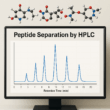
Peptide Laboratory Test Results
What Is Peptide Pureness And Why Does It Matter In Research-grade Peptides? Qing Li Peptide This is due to the fact that HPLC just captures peptide associated web content, and as a result the 1% recurring is composed just of peptide-related impurities. Some laboratories (e.g., Janoshik) give numerical purity records without chromatogram pictures. A lack of chromatogram does not revoke the outcomes, rather it is a feature of how they offer results to clients. Nonetheless, as a best practice we recommend asking a new tester for the chromatogram data to guarantee it matches what they have offered in the examination result. Qualified vendors utilize independent, third-party laboratories to produce COAs. Third-party testing removes conflict of interest and provides the scientist honest, empirical data-- not advertising and marketing cases. Knowledge of purity degrees will likewise guide you if you ever require a greater purity peptide for a particularly sensitive assay. In the long run, obtaining the pureness degree right implies more trustworthy scientific research-- which's the supreme objective for any kind of researcher. BOC Sciences, with its durable logical system and professional group, concentrates on top quality screening solutions for peptide raw materials, peptide microspheres, peptide nanoparticles, and peptide formula preparations. Peptide pureness describes the percent of your sample that is the appropriate, full-length peptide series, free from various other peptide-related contaminations. Examples undertake independent third-party research laboratory confirmation. High-performance fluid chromatography (HPLC) Certificate of Analysis confirms ≥ 99.3% purity, while mass spectrometry (MS) verifies molecular identification and architectural precision. Trusted dimension techniques are necessary for quality assurance. Constant shot volume issues since overloading the column can broaden tops, distort purity quotes, or hide neighboring impurities. For researchers dedicated to quality-verified peptide research, SeekPeptides offers thorough assistance on protocols, dosing, and supplier examination. The mix of evidence-based Learn more here academic sources and sensible devices assists scientists make notified choices throughout their peptide trip, from first vendor option via method optimization. Understanding how much time peptides take to work helps set reasonable expectations, yet verified product quality makes sure the timeline assessment is valid. Some suppliers providing high quality items motivate third-party screening and might compensate screening prices if outcomes confirm their claims. This confidence indication recommends the vendor depends on their product top quality. According to ICH guidelines, validated techniques imply the lab has developed the examination's accuracy, precision, detection limitations, and so on, making sure the data you get are reliable. Peptide pureness testing is the process of validating that a peptide sample has just the designated sequence-- and no significant contaminants or by-products from synthesis. Since peptides are developed via intricate chemical procedures, trace contaminations can create naturally. Checking allows researchers to understand exactly what remains in the vial, confirming both identity and top quality. Measuring peptide pureness is usually done with logical high-performance liquid chromatography (HPLC), often combined with mass spectrometry (MS) for identification confirmation. Importantly, purity percentages define chemical composition only-- they do not suggest sterility or organic suitability. Peptides from Maxed Out Compounds are supplied exclusively for research laboratory study usage and are not planned for human or veterinary objectives. The bottom line is not to puzzle pureness (HPLC percent of the main peptide vs pollutants) with overall web content. For speculative preparation (like computing molar focus), both purity and net material serve numbers, yet pureness is what reflects the chemical homogeneity of the peptide example. This amazing source enables scientists to validate products without price, though delivery expenditures and sample preparation remain your responsibility. For scientists working with specific compounds like BPC-157 or TB-500, mass spectrometry verification guarantees you're collaborating with the real compound as opposed to something else entirely. This method divides peptide combinations and quantifies the loved one amounts of different parts. When a COA states "99% purity by HPLC," this means the evaluation revealed 99% of the discovered product was the target peptide, with just 1% being impurities. These documents supposedly verify pureness, identification, and other high quality metrics. Creative Peptides proposes a collection of different purity levels to help you choose the ideal peptide purity for peptide-based assays and applications. The adhering to listing reveals the suggested peptide purity levels needed for numerous peptide applications. Peptides are extensively made use of in the medical looks, cosmetics, and biomedical areas due to their special organic task and wide application capacity. Nevertheless, the quality of peptide items straight influences their efficiency and safety, making exact top quality screening services critical. BOC Sciences uses extensive peptide testing solutions to clients throughout sectors, ensuring items satisfy strict market requirements and guaranteeing item consistency, safety, and efficiency. It additionally sustains traceability-- each set's laboratory recognition report can be connected to its COA and governing filings, developing a clear proof.
Peptide Purity And Accuracy: How Labs Validate Composition
Peptide testing is analytical verification of a peptide example. In COA evaluation, it generally consists of HPLC pureness testing, mass spectrometry identification verification, and batch-specific documentation showing the checked whole lot, method, results, and date. With years of analytical testing experience and progressed tool platforms, BOC Sciences gives thorough peptide high quality screening solutions across the entire process from basic materials to formulas. Third-party laboratory recognition can substantially assist in this conformity process. The resulting information are formatted right into records that regulatory authorities anticipate.What Other Tests May Include
- A 95% pureness indicates that out of every 100 "books" in your set, 95 are perfect copies and 5 have some type of error.
- These constraints relate to the whole RUO classification, not just a certain vendor.
- Validate the safety and security and efficacy of your reconstitution service.
- A disparity of greater than 0.5 Da suggests either a sequence error, an alteration, or a various substance entirely.
- Reliable, reproducible information depends upon pure starting materials.
Where can I send my peptides to test for purity?
ACS Peptide Checking Labs is a professional peptide analysis laboratory that approves examples from all 50 states. Whether you require to check peptide pureness, confirm a supplier''s Certificate of Analysis, or run comprehensive impurity testing, our lab offers quickly, accurate results with thorough coverage.